
What makes casino games so addictive?

The Thrill of Uncertainty
The allure of casino games often lies in the thrill of uncertainty. Players are drawn to the unpredictability that each game provides, with each spin, roll, or draw offering a chance for a significant win. This element of surprise acts as a potent psychological trigger, as individuals experience excitement and anticipation waiting to see the outcome. Many enthusiasts also enjoy engaging in nrl premiership betting as part of their overall gaming adventure, compelling players to engage with the games repeatedly in pursuit of that exhilarating feeling that comes with not knowing what will happen next.
Moreover, the unpredictability of outcomes is often coupled with a reward mechanism based on probability. Players may experience frequent small wins, known as “near misses,” which can reinforce their belief that they are on the verge of a substantial win. This perception can lead to increased time spent on the games, as the brain becomes conditioned to seek out that ‘next big win’ that seems just within reach. This creates an addictive loop of behavior where each session becomes a quest for that elusive success that promises not only financial gain but also emotional satisfaction.
As players engage more frequently, the thrill of risk-taking can escalate, tapping into deeper psychological aspects. The desire to chase the next win can lead to larger bets and heightened stakes, pushing individuals to take risks they might not normally consider. This cycle can become self-reinforcing, as the excitement of potential rewards overshadows the risks involved. The combination of unpredictability and psychological reinforcement makes casino games particularly enticing and hard to resist, as players find themselves caught in a web of thrill and desire that keeps them returning for more.
The Role of Rewards and Incentives
In the world of casino gaming, the structure of rewards plays a crucial role in fostering addiction. Gamblers are often motivated by the rewards that come from winning, whether those are monetary prizes or other forms of incentives such as free spins or bonuses. These rewards activate the brain’s pleasure centers, releasing dopamine, a neurotransmitter associated with pleasure. This chemical response not only rewards success but also enhances the overall gaming experience. The anticipation of rewards can heighten engagement, making players more likely to continue gambling in hopes of experiencing that rush again.
The concept of intermittent reinforcement, where rewards are not given consistently but rather at unpredictable intervals, further amplifies the excitement surrounding casino games. Players may win at times, but they may also experience extended periods without winning, which keeps them engaged as they continue to hope for a payout. This unpredictable nature of rewards creates a powerful, almost compulsive urge to play, as each new game holds the potential for a gratifying payoff. Thus, the combination of the thrill of winning and the anticipation of possible rewards perpetuates a cycle that can lead to gambling addiction.

Furthermore, casinos often implement loyalty programs that provide players with additional incentives to keep gaming. These programs may include cashback offers, exclusive access to events, or tiered rewards systems that encourage players to increase their activity to climb tiers. Such programs can create a sense of belonging and community among players, making the gaming experience not just about individual gratification but also about being part of a larger, rewarding system. The continuous cycle of reward seeking solidifies casino games as addictive experiences, as players are motivated to return for both the gameplay and the potential rewards that come with it.
The Social Aspect of Gaming
Casino games are often positioned as social activities, providing a platform for interaction among players. This social aspect can significantly contribute to their addictive nature. Engaging with others while playing can create a sense of camaraderie and collective excitement, making the experience more enjoyable. The shared experience of anticipation during a game can heighten emotional investment, leading individuals to return not only for the games themselves but also for the social interactions that accompany them. This social dynamic fosters a community that players may feel compelled to participate in continuously.
Additionally, the environment of casinos is meticulously curated to enhance social engagement. The sounds of cheers, the atmosphere of collective excitement, and the visual stimuli of bright lights and vibrant décor create a stimulating environment that encourages players to stay longer and participate in more games. This immersive environment acts as a catalyst for social bonding, making it appealing for individuals to return and recreate those enjoyable experiences. The combination of social interaction and entertainment can make casino gaming a primary social outlet for some, further entrenching their habits.
However, the social aspect can also foster dependency, as individuals may feel pressured to participate to maintain relationships or social status within gaming circles. This can result in a cycle where the desire to socialize leads to increased gambling, blurring the lines between healthy recreational gaming and addictive behavior. The intertwining of social connections and gaming experiences makes casino games particularly compelling and hard to navigate for many individuals, as the emotional connections formed can overshadow the potential for negative consequences associated with excessive gaming.
The Psychological Factors at Play
Understanding the psychological factors contributing to the addictive nature of casino games provides deeper insights into why individuals may struggle with gambling. Many players utilize casino games as a form of escapism from everyday stressors or emotional challenges. The immersive nature of gaming can provide a temporary distraction from reality, allowing individuals to lose themselves in the excitement and thrill of the game. This escapism can make players more vulnerable to excessive gaming as they seek to repeat the feeling of relief that gameplay offers, leading them to prioritize gaming over other important aspects of their lives.
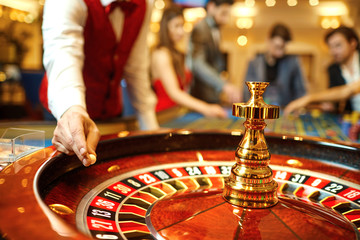
Cognitive biases may play a significant role in fueling gambling addiction. Players often overestimate their chances of winning and fall victim to the illusion of control, believing that certain strategies can improve their odds. This mindset can lead to excessive risk-taking and prolonged play, as individuals convince themselves that they are only one strategy away from a breakout win. These cognitive distortions create a barrier to recognizing the true nature of gambling odds, which can perpetuate a cycle of gambling that becomes increasingly difficult to break.
The impact of reinforcement schedules and cognitive biases together creates a complex psychological landscape that fosters addiction. Players may find it hard to step back when they perceive themselves as capable of overcoming the odds. Consequently, the compelling mix of escapism, cognitive distortions, and reinforcement can create a cycle that entraps players in an ongoing quest for satisfaction through gaming. This cycle ultimately reinforces addictive patterns, making it crucial for individuals to acknowledge and address the underlying psychological factors driving their gaming behaviors.
Website Overview and Resources
Our website serves as a comprehensive resource for those interested in understanding the world of casino games, their appeal, and the psychological factors at play. We offer insights into various games, strategies, and responsible gaming practices to ensure that players can enjoy the thrill of gaming without falling into addictive patterns. By providing informative content, we aim to educate players on making informed decisions and recognizing the signs of problematic gaming behavior.
In addition to educational articles, our platform features community forums and expert advice where individuals can share experiences and seek support. Recognizing the potential for addiction within the gaming world, we promote a balanced approach to gaming that encourages enjoyment while highlighting the importance of mindfulness and self-control. Our commitment is to create a safe space for individuals to learn and engage with casino gaming responsibly, ensuring that everyone can enjoy the fun without jeopardizing their well-being.
Whether you are a novice player or an experienced gamer, our website offers valuable resources to enhance your gaming experience. We believe in promoting awareness and understanding of both the enjoyment and risks associated with casino games. Together, we can foster a healthier gaming environment and help individuals navigate their passions in a mindful and responsible manner, allowing for a fulfilling gaming experience that prioritizes safety and well-being.